Why Is My Hair Thinning? What Tulsa Women Should Know About Shedding, Hormones, and Hair Restoration

Why Is My Hair Thinning? What Tulsa Women Should Know About Shedding, Hormones, and Hair Restoration
Updated September 2026
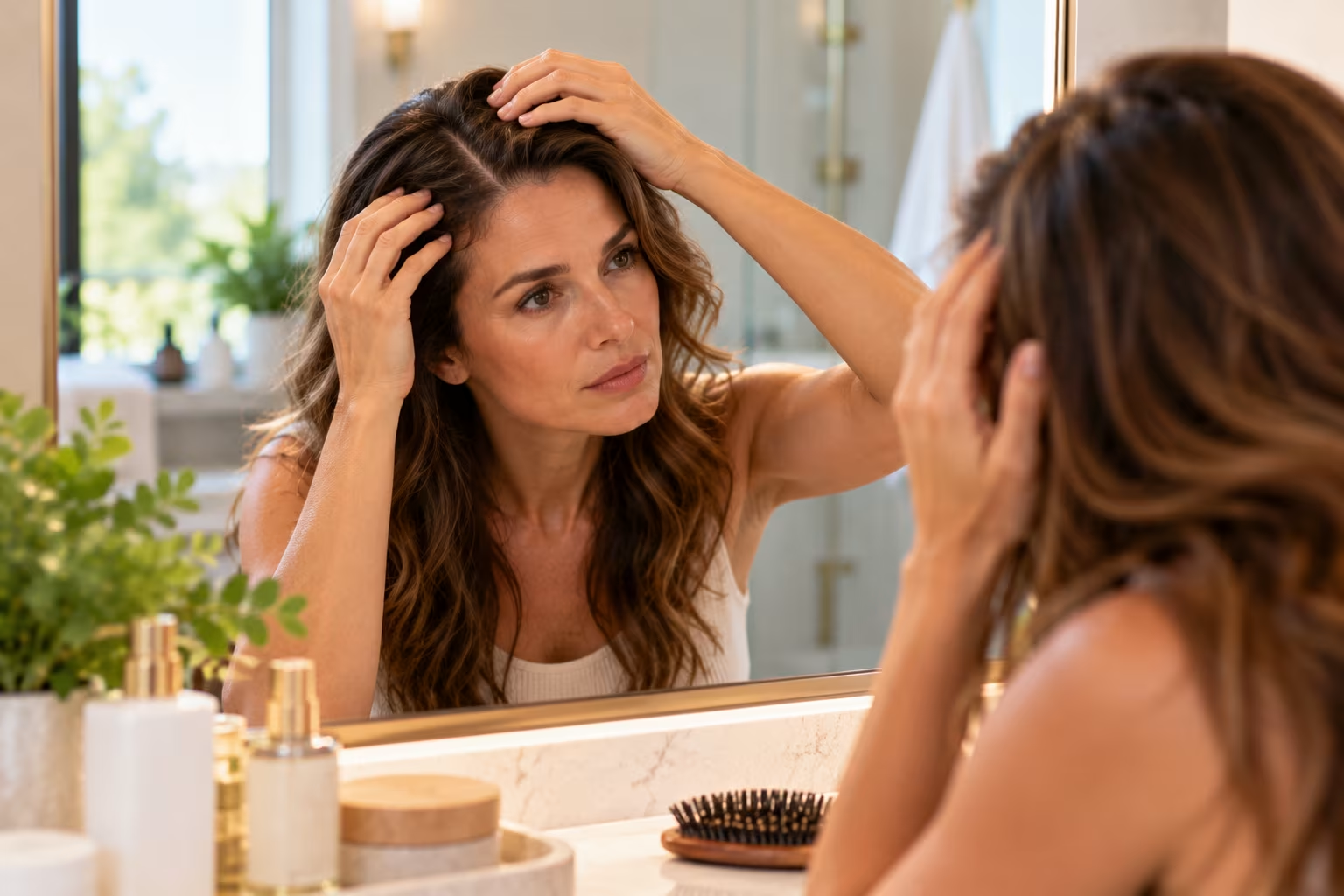
It usually starts with the shower drain. Then the hairbrush. Then a photo taken under bright light where your part looks wider than you remember. For a lot of women, thinning hair feels deeply personal, and it can be surprisingly hard to talk about.
Here's the reassuring part: hair thinning in women is very common, it often has identifiable causes, and many of those causes respond well to early, consistent care. Whether you're a new mom, a professional running on stress and caffeine, or navigating your 40s, understanding why your hair is changing is the first step toward getting it back.
Is It Normal to Lose Hair Every Day?
Yes. Most people shed somewhere between 50 and 100 hairs a day as part of the normal growth cycle. Shedding becomes a concern when you notice clumps, a visibly wider part, a smaller ponytail, more scalp showing at the crown, or thinning at the temples.
What's the Difference Between Shedding and Thinning?
Shedding means more hairs are falling out than usual, often all at once, and it's frequently triggered by a specific event. Thinning means the hair itself is becoming finer or growing back less densely over time. Many women experience both, which is why a professional evaluation helps.
What Causes Hair Thinning in Women?
Hair thinning in women is most often caused by hormonal changes, stress, pregnancy and childbirth, nutritional gaps, thyroid issues, and genetics. Because several factors can overlap, the best results usually come from identifying what's driving your hair loss before choosing a treatment.
Can Stress Really Make Your Hair Fall Out?
It can. A major stressor, such as illness, surgery, a big move, a demanding work season, or grief, can push a large number of hair follicles into the resting phase at once. This type of shedding, called telogen effluvium, usually shows up two to three months after the stressful event, which is why many women don't connect the two.
Busy working women in Tulsa often describe this exact pattern: a hard quarter at work, a few months of poor sleep, and then a sudden increase in shedding.
Why Does Hair Fall Out After Having a Baby?
During pregnancy, high estrogen keeps hair in its growth phase longer, so many women enjoy thicker hair. After delivery, hormone levels drop and that extra hair sheds, often peaking a few months postpartum. For many women it recovers on its own, but sleep loss, nutritional depletion, and thyroid changes after pregnancy can make it last longer.
Luminate's six-month Postpartum Health Optimization program looks at these factors together.
How Do Perimenopause and PCOS Affect Hair?
As estrogen and progesterone decline in perimenopause, hair can become finer and grow more slowly. In women with PCOS, higher levels of androgens can cause thinning on the scalp, sometimes alongside acne or unwanted facial hair. Both situations benefit from a hormone-aware approach. Luminate offers dedicated Perimenopause and PCOS Hormone and Metabolic Optimization programs.
Can Nutrition or Dieting Cause Thinning?
Yes. Low iron, low protein intake, and deficiencies in nutrients like vitamin D can affect hair growth. Rapid weight loss or very restrictive diets are also well-known triggers.
What About Hairstyles and Styling Habits?
Tight ponytails, braids, extensions, and frequent heat styling can stress the follicles over time. Thinning along the hairline or temples is a common sign.
When Should You See a Professional About Hair Loss?
It's a good idea to get evaluated if your shedding lasts longer than a few months, your part is widening, you notice bald patches, or your scalp is itchy, painful, or inflamed. Patchy loss or scalp symptoms should be checked by a dermatologist, since some conditions need specific medical treatment. For gradual thinning and shedding, earlier care generally leads to better results because healthy follicles are easier to support than dormant ones.
What Hair Restoration Options Are Available?
Women today have more options than ever. You may hear about topical minoxidil, prescription medications, and injection-based treatments, and a provider can help you weigh what fits your situation and health history.
For women who prefer a drug-free, non-invasive starting point, hair restoration at Luminate Clinic combines in-office technology with at-home care.
What Is NOUVADerm for the Scalp?
NOUVADerm is used to stimulate follicles and condition the scalp, creating a healthier environment for growth. Treatments are pain-free with no downtime. You can read more about the NouvaDerm device.
What Is DeRive?
DeRive is a plant-derived formula paired with ultrasound technology to provide regenerative support to the scalp.
What Does the At-Home Regrowth System Include?
Luminate's exclusive hair regrowth system includes a shampoo, conditioner, and serum formulated with ingredients like Biochanin A, HRS-10, and a Tri-Peptide Complex. Consistent home use supports what's happening in the treatment room.
Why Treat Hair Loss From the Inside Too?
Because hair is often a messenger. If your shedding is linked to hormones, gut health, stress, or nutrient levels, scalp treatments alone may only solve part of the problem.
Luminate's 12-week Integrative Hair Restoration program includes a comprehensive consultation and lab evaluation, a personalized plan, nutrition and lifestyle guidance, supplement protocols, and weekly support. The broader functional wellness service and hormone balance therapy can also play a role when labs point in that direction.
What Happens at a Hair Restoration Consultation?
Your first visit is about understanding your hair, not just looking at it. Your provider will ask when you first noticed changes, whether the shedding came on suddenly or gradually, and what was happening in your life around that time, such as a pregnancy, a stressful season, a new medication, or a change in diet. They'll look at your scalp, your part, and the density at your crown and temples to understand your pattern.
From there, you'll talk through a plan that fits your goals and schedule. For some women, in-office treatments and the home regrowth system are enough. For others, especially when fatigue, irregular cycles, or other symptoms are part of the story, adding lab work through an integrative program makes more sense. Either way, you should leave knowing what's likely behind your thinning and what the next few months will look like.
How Long Does Hair Restoration Take to Work?
Hair grows slowly, so patience is part of the process. Most patients first notice reduced shedding and a more comfortable scalp, with visible regrowth developing over several months of consistent treatment. Taking photos in the same lighting every month is a simple way to track progress you might not see day to day.
Is Hair Restoration Only for Women?
Not at all. Men with early to moderate thinning also benefit from the same non-invasive approach, and Luminate's Men's Health and Testosterone Optimization program can address related hormone concerns. Learn more on the hair loss and scalp and hair pages.
Simple Habits That Support Healthier Hair
- Eat enough protein and iron-rich foods
- Be gentle with wet hair and avoid tight styles every day
- Lower heat settings on dryers and irons
- Protect your scalp from sun during Tulsa summers with a hat
- Prioritize sleep, especially during stressful seasons
- Keep a log of when shedding started and what was happening in your life at the time
Frequently Asked Questions
Can thinning hair grow back?
In many cases, yes, especially when the cause is stress, postpartum changes, or nutritional gaps and treatment starts early. Genetic thinning is more persistent but can often be slowed and improved with consistent care.
How do I know if my hair loss is hormonal?
Hormonal thinning often appears as a widening part or diffuse thinning on the top of the head, and it may come with other symptoms like irregular cycles, acne, fatigue, or hot flashes. Lab testing can help confirm what's going on.
Is hair restoration painful?
Luminate's in-office hair restoration treatments are pain-free and require no downtime, so you can go right back to your day.
How soon after having a baby should I seek help for hair loss?
Some postpartum shedding is normal and often improves within several months. If it continues longer, seems severe, or comes with exhaustion or mood changes, it's worth getting evaluated.
Where can I get hair restoration in Tulsa?
Luminate Clinic offers non-invasive hair restoration at 1723 E 15th St. in Tulsa's Cherry Street district, serving clients from Midtown, Jenks, Bixby, Owasso, and Broken Arrow.
Good Hair Days Are Back on the Calendar
Thinning hair can feel discouraging, but it's rarely a mystery once you look at the full picture. With a clear understanding of the cause and a plan that supports your scalp and your body, fuller, healthier hair is a realistic goal.
Book a hair restoration consultation with Luminate Clinic and take the first step toward a fuller ponytail.
%20(1).jpg)
.jpg)
.jpg)