Why Won't My Dark Spots Fade? How Chemical Peels Help Busy Tulsa Professionals Even Out Their Skin

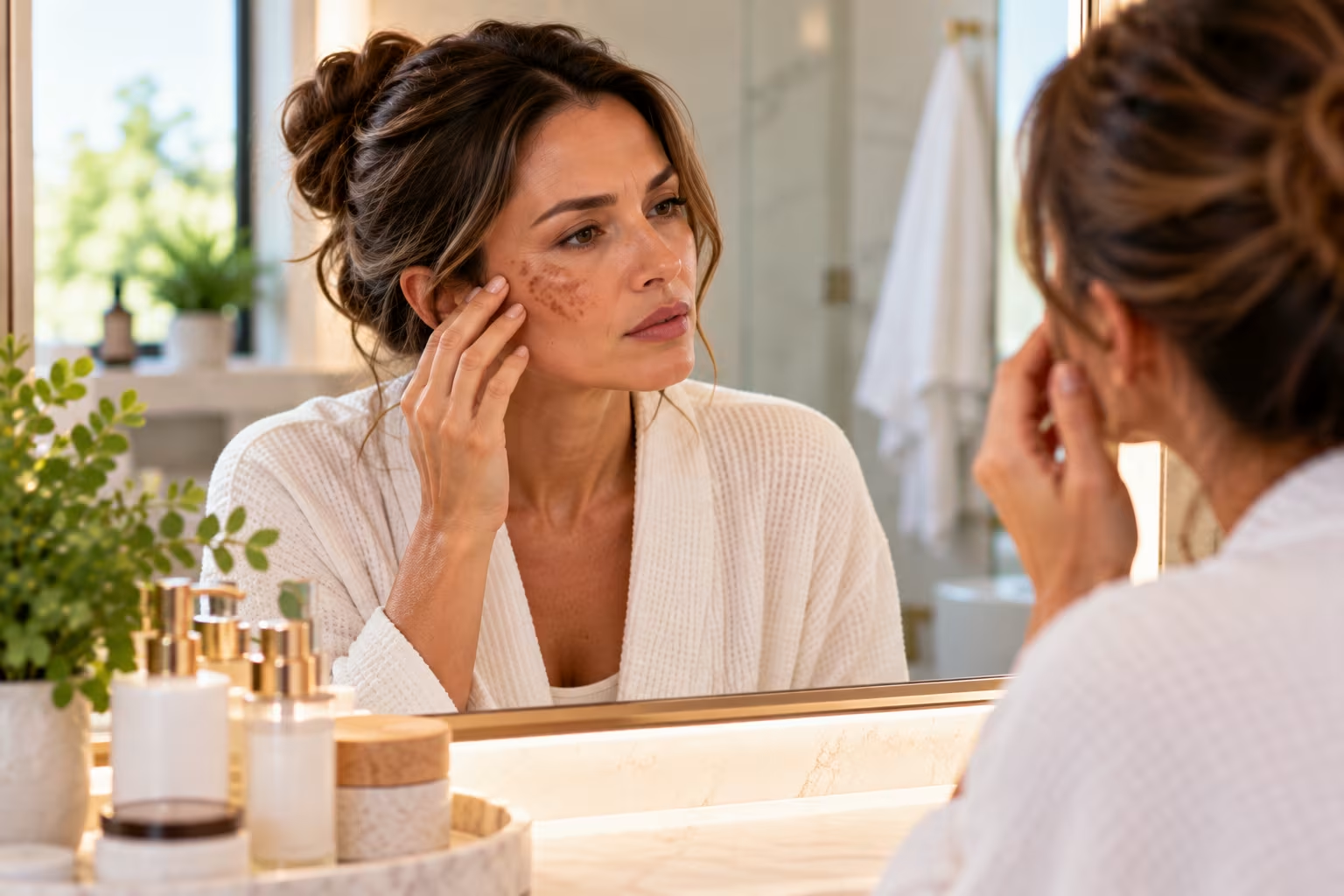
Why Won't My Dark Spots Fade? How Chemical Peels Help Busy Tulsa Professionals Even Out Their Skin
Updated September 2026
You've tried the vitamin C serum. You've tried the brightening pads. You wear sunscreen most days, at least when you remember. And still, those dark spots on your cheeks, the leftover marks from last winter's breakouts, or the patchy shadow on your upper lip are hanging on.
Hyperpigmentation is one of the most frustrating skin concerns because it fades so slowly on its own and comes back so quickly. For people with full calendars, there's another worry: you don't have a week to hide at home while your face peels.
The good news is that chemical peels remain one of the most effective, reliable ways to fade discoloration, and with a little planning, they fit around a busy life. Here's what to know before you book.
What Causes Dark Spots and Hyperpigmentation?
Dark spots happen when certain areas of skin produce extra melanin, the pigment that gives skin its color. The most common triggers are sun exposure, inflammation from acne or irritation, and hormonal changes. The result is patches or spots that look darker than the surrounding skin.
What Are the Main Types of Hyperpigmentation?
- Sun spots and age spots: flat brown spots on sun-exposed areas like the cheeks, forehead, hands, and chest, caused by years of UV exposure
- Post-inflammatory hyperpigmentation: marks left behind after acne, bug bites, cuts, or irritation, and especially common in medium and deeper skin tones
- Melasma: larger, symmetrical patches on the cheeks, forehead, or upper lip, often linked to hormones, pregnancy, birth control, heat, and sun
Knowing which type you have matters, because each one responds a little differently. Luminate covers these on its pigmentation and sun damage page.
Why Is Pigment So Common in Tulsa?
Oklahoma gets a lot of strong sun for much of the year, and heat itself can stimulate pigment, especially in melasma. Patio lunches downtown, kids' soccer games in Jenks or Owasso, and drives with the sun on one side of your face all contribute over time.
How Does a Chemical Peel Work on Dark Spots?
A chemical peel uses a carefully chosen blend of acids and active ingredients to loosen and remove the outer layers of skin. As those layers shed, they take pigmented cells with them, and the skin replaces them with fresher, more even cells. Many peels also include ingredients that slow melanin production, so the results build with each session.
Which Chemical Peels Does Luminate Clinic Offer?
Luminate offers two professional peel lines, chosen based on your skin type, concerns, and how much downtime you can manage. You can read the full details on the chemical peels page.
What Is a VI Peel?
VI Peels are medium-depth peels that target dark spots, sun damage, fine lines, acne, and uneven texture. They also stimulate collagen and elastin. Expect more noticeable peeling over a few days, which is when the real pigment shedding happens.
What Is a PCA Peel?
PCA Peels are a gentler option formulated to be safe even for very sensitive skin. They're a great fit if you're new to peels, have reactive skin, or need minimal visible peeling because of work or social plans.
Are Chemical Peels Safe for Darker Skin Tones?
Both peel lines are suitable for all skin tones and types when chosen and applied correctly. Medium and deeper skin tones are more prone to post-inflammatory hyperpigmentation, so the right formula, a careful approach, and good aftercare make a big difference. This is one of the strongest reasons to have peels done professionally instead of trying strong acids at home.
How Do You Fit a Chemical Peel Into a Busy Schedule?
Mild redness or peeling may last a few days depending on the depth of your peel. With a little strategy, that's very manageable.
When Is the Best Day to Get a Peel?
Many professionals book their peel on a Wednesday or Thursday. Skin usually looks normal the next day, and the most visible flaking tends to show up a couple of days later, which often lands on the weekend.
What Is Peeling Like During the Workweek?
With a gentler PCA Peel, most people can head straight back to meetings with little more than slight pinkness. With a VI Peel, plan for a few days of flaking that you'll want to leave alone. A good moisturizer and sunscreen go a long way, and video calls are surprisingly forgiving.
How Many Peels Will You Need?
Most patients see the best results with three to four peels spaced four to six weeks apart. That makes a peel series easy to plan around a quarter at work, or to finish ahead of a wedding, a reunion, or holiday photos.
What Happens During a Chemical Peel Appointment?
Your appointment starts with a conversation about your skin, your routine, and any upcoming events. Your provider will look closely at your pigment to understand what type it is, then choose the peel and strength that fits. After your skin is cleansed and prepped, the peel solution is applied in layers. Most people feel warmth or tingling that fades within minutes. The whole visit is typically quick enough to fit into a long lunch.
You'll go home with clear instructions, and in some cases a post-peel kit or specific products to use for the next several days. Following those instructions closely is the single best thing you can do to protect your results.
How Should You Care for Your Skin After a Peel?
Aftercare protects your results and helps prevent new pigment. The basics include:
- Don't pick or pull at peeling skin, no matter how tempting
- Use a gentle cleanser and simple moisturizer
- Wear broad-spectrum sunscreen every day and reapply when you're outdoors
- Skip saunas, hot yoga, and intense workouts for a short period
- Pause retinoids and exfoliating acids until your provider says it's okay
Luminate's full chemical peel pre and post care guide walks through each step.
What If a Peel Isn't Enough?
For some types of pigment, especially deeper or more stubborn spots, peels work best as part of a combination plan.
- PicoSure Pro breaks up pigment with ultra-short laser pulses and can be used to address melasma across skin types.
- Viora IPL targets sun spots, freckles, and redness.
- NouvaDerm helps with sun spots and texture with minimal downtime.
- Microneedling can improve discoloration and leftover texture from acne.
If active breakouts keep creating new marks, the acne and acne scar program helps stop the cycle at the source.
Can Hormones Make Dark Spots Worse?
Yes, particularly with melasma. Pregnancy, hormonal birth control, perimenopause, and conditions like PCOS can all influence pigment. If you notice pigment along with other hormonal changes, Luminate's hormone balance services and wellness programs may be worth discussing during your consultation.
How Can You Prevent Dark Spots From Coming Back?
- Make sunscreen a daily habit, including on cloudy days and in your car
- Wear a wide-brimmed hat and sunglasses for outdoor events
- Treat breakouts early so they don't leave marks
- Use professional-grade brightening products recommended by your provider
- Schedule maintenance peels a few times a year, especially after summer
Frequently Asked Questions
How long does it take for a chemical peel to fade dark spots?
Many people notice brighter, more even skin after the first peel, but most see their best results after a series of three to four peels spaced four to six weeks apart.
Does a chemical peel hurt?
Most people feel warmth, tingling, or mild stinging for a few minutes during application. The sensation fades quickly.
Can a chemical peel make hyperpigmentation worse?
It can if the wrong peel is used or aftercare isn't followed, especially in deeper skin tones. That's why a professional consultation and careful product selection are so important.
Is there downtime after a chemical peel?
Mild redness or peeling may last a few days, depending on the depth of the peel. Gentler PCA Peels typically involve very little visible downtime.
What's the best time of year for chemical peels in Tulsa?
Fall and winter are ideal because sun exposure is lower, which makes it easier to protect healing skin. That said, peels can be done year-round with diligent sun protection.
Spot On: Your Even-Toned Era Starts Here
Dark spots don't have to be permanent fixtures, and fading them doesn't have to derail your schedule. With the right peel, a smart calendar, and good aftercare, clearer and brighter skin is well within reach.
Luminate Clinic offers complimentary consultations to help you choose the right peel. Book yours today, browse before and after results, or visit the Luminate Clinic homepage to explore more ways to brighten your skin.
%20(1).jpg)
.jpg)
.jpg)