Why Does My Hyperpigmentation Keep Coming Back? Melasma, Post-Acne Marks, and What Actually Helps

Why Does My Hyperpigmentation Keep Coming Back? Melasma, Post-Acne Marks, and What Actually Helps
Updated October 2026
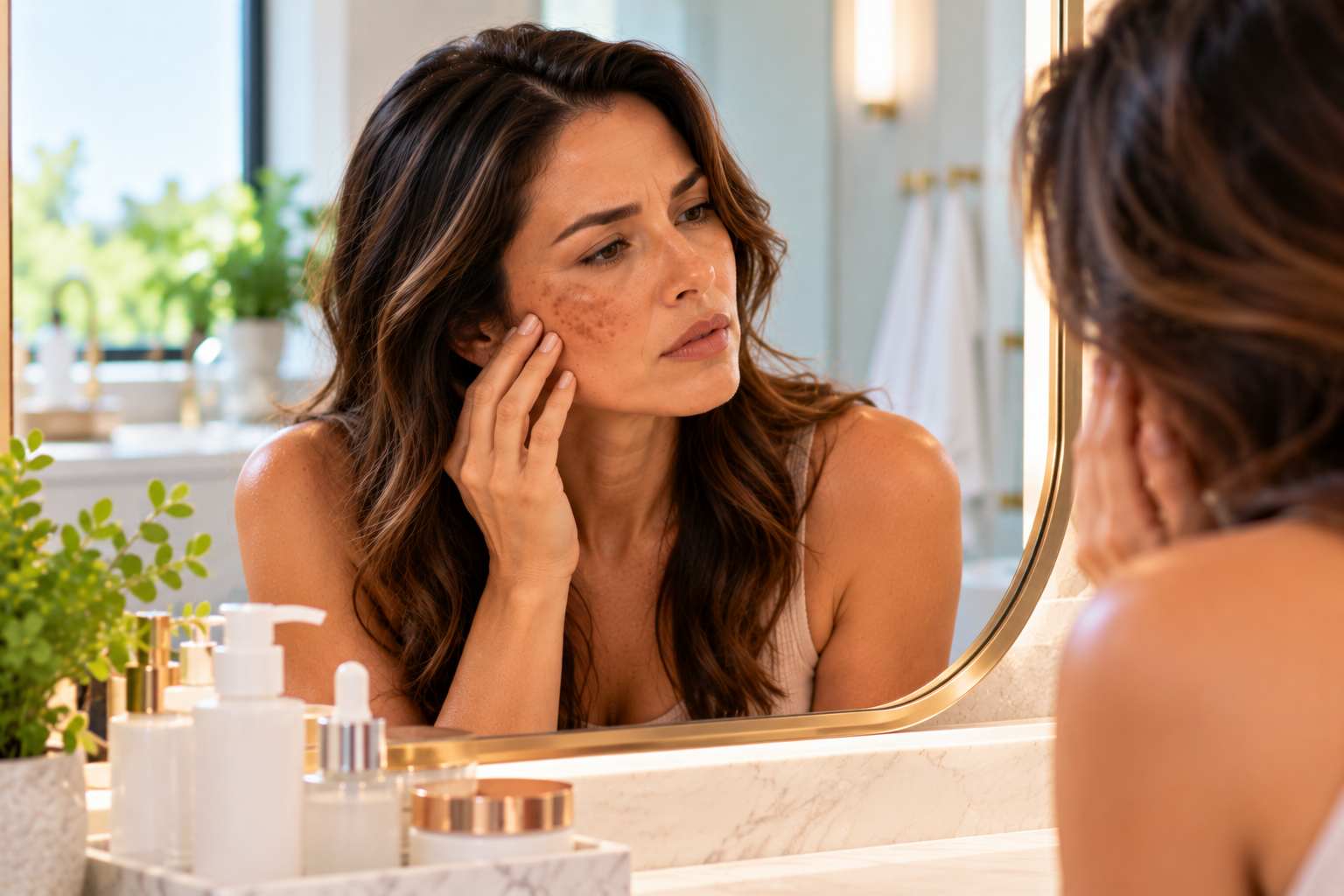
You finally see your skin evening out. Then one sunny weekend, a stressful month, or a new breakout later, the dark patches are back. If that cycle sounds familiar, you are not imagining it. Hyperpigmentation is one of the most persistent skin concerns there is, and it frustrates people of every age and skin tone.
The key to breaking the cycle is understanding which type of hyperpigmentation you have. Melasma and post-inflammatory hyperpigmentation (the dark marks left behind by acne) look similar but behave very differently, and they need different strategies. This guide explains both, with a focus on what women and younger adults in Tulsa most often deal with.
What Is Hyperpigmentation?
Hyperpigmentation is any area of skin that looks darker than the surrounding skin because of extra melanin. It is not a disease on its own, but a sign that pigment cells have been triggered by sun, hormones, inflammation, or injury.
There are three common types:
- Sun spots (solar lentigines): flat brown spots from cumulative UV exposure
- Melasma: larger, often symmetrical brown or gray-brown patches, commonly on the cheeks, forehead, bridge of the nose, and upper lip
- Post-inflammatory hyperpigmentation (PIH): flat marks left after acne, bug bites, rashes, burns, or skin injury
Each type responds to treatment differently. Sun spots often clear well with targeted light or laser treatment. Melasma and PIH need a gentler, more strategic approach because the wrong kind of heat or irritation can make them darker.
Why Does Melasma Keep Coming Back?
Melasma is a chronic condition, meaning it can be managed and improved but tends to return. It is driven by a combination of sun and visible light exposure, heat, hormones, and genetics, so even after successful treatment, those triggers are still part of daily life.
According to the American Academy of Dermatology, melasma can last for years, and sunlight can darken existing patches and trigger new ones. Sun protection is a cornerstone of treatment, not an optional extra.
In Oklahoma, that matters. Summer heat and strong sun can undo months of progress in a single weekend at the lake, and even heat from cooking, hot yoga, or saunas can aggravate melasma for some people.
Why Is Melasma So Common in Women?
Melasma affects women far more often than men, and hormones are a major reason. It frequently appears or worsens during pregnancy, with hormonal birth control, or during other hormonal shifts.
For many women, melasma shows up at life stages that already feel overwhelming: pregnancy, postpartum, or juggling a career and a family. It can feel discouraging when makeup no longer covers it the way it used to. A few things worth knowing:
- Melasma is common and is not caused by anything you did wrong
- If you are pregnant or breastfeeding, talk with your OB-GYN before starting any treatment or new skincare active
- Do not stop or change prescribed birth control or hormone therapy on your own; discuss any concerns with your prescriber
- Progress is usually gradual, and maintenance is part of the plan
Women who are also navigating perimenopause, PCOS, or other hormone changes may benefit from looking at the bigger picture. Luminate's Hormone Balance and Functional Wellness services offer a provider-guided, supportive approach, alongside care from your own physician.
Why Do Acne Marks Linger So Long in Younger Adults?
Post-inflammatory hyperpigmentation forms when inflammation from a breakout triggers pigment production. The pimple heals, but the flat brown, purple, or dark mark can remain for months, and picking or squeezing makes it more likely.
For Gen Z and younger adults, PIH is often more frustrating than the acne itself. The breakout is gone, yet the marks keep the skin looking uneven in photos and on camera. People with medium and deeper skin tones tend to develop PIH more easily and for longer, which makes a careful approach especially important.
A few habits that help:
- Treat the acne first. New breakouts mean new marks. Luminate's acne and acne scar treatments focus on calming active acne with a structured program.
- Hands off. Picking deepens inflammation and the mark that follows.
- Wear sunscreen daily. UV darkens PIH and slows fading.
- Be patient with gentle actives. Aggressive scrubs and stacking too many strong products can trigger more inflammation and more pigment.
Note that flat dark marks are different from textured acne scars. If you are dealing with indented scars, Luminate's guide on microneedling for acne scars covers that topic.
What Is the Best Treatment for Hyperpigmentation?
The best treatment depends on the type of hyperpigmentation, your skin tone, and your triggers. For melasma and stubborn pigment, a combination plan that pairs in-office treatment with strict sun protection and home care tends to work better than any single treatment alone.
How Do Chemical Peels Help Hyperpigmentation?
Chemical peels at Luminate include VI Peel and PCA Skin peels, which help remove pigmented surface cells and encourage a more even tone. A series of three to four peels spaced four to six weeks apart is common, with peeling for a few days depending on depth. Peel selection matters, especially for deeper skin tones, so your provider will choose the type and strength carefully.
Can PicoSure Pro Treat Melasma and Uneven Pigment?
PicoSure Pro is a picosecond laser used for pigmentation, and Luminate lists it as an option for melasma within a broader plan. Because melasma can be sensitive to heat and irritation, laser treatment for melasma should be conservative and paired with sun protection and maintenance rather than used as a one-time fix.
Why Isn't IPL the First Choice for Melasma?
IPL is a strong option for sun spots and redness, but it is generally not used as a melasma treatment because the heat and broad light can aggravate melasma in some people. That is one more reason to have your pigment properly assessed before choosing a device.
What About Home Care?
Medical-grade home care from brands like ZO Skin Health and Skinbetter Science can support your in-office plan, along with daily broad-spectrum sunscreen. Tinted mineral sunscreens that also block visible light are often helpful for melasma. If your melasma is extensive or not improving, a dermatologist can evaluate whether prescription treatment is appropriate.
You can read more on Luminate's pigmentation and sun damage page and skin tone and texture page.
Is Hyperpigmentation Treatment Safe for Darker Skin Tones?
Yes, with the right approach. Deeper skin tones are more prone to pigment changes after aggressive treatment, so treatments must be selected and adjusted with care, and suitability should always be assessed in person.
This is one reason a consultation is so important. Your provider will look at your skin type, history of pigment changes, recent sun exposure, and current products before recommending anything. Slower and steadier is almost always safer for hyperpigmentation-prone skin.
Hyperpigmentation Questions, Answered
Can hyperpigmentation be permanently removed?
Sun spots and PIH can fade significantly, but new pigment can form with sun exposure or inflammation. Melasma is chronic and usually needs ongoing maintenance.
How long does it take for dark acne marks to fade?
Without treatment, PIH can take many months to fade. Peels, sun protection, and controlling breakouts can help speed that up.
What is the difference between melasma and sun spots?
Sun spots are small, defined spots from UV exposure. Melasma forms larger, often symmetrical patches tied to hormones, heat, and light.
Can I treat melasma while pregnant?
Talk with your OB-GYN first. Many treatments and skincare ingredients are postponed during pregnancy and breastfeeding.
Does sunscreen really help hyperpigmentation?
Yes. Daily broad-spectrum SPF 30 or higher is one of the most important steps for preventing darkening and protecting treatment results.
Even Tone, Even Keel: A Balanced Plan for Your Skin
Hyperpigmentation rewards patience, protection, and a plan that fits your skin type and your life. At Luminate, that plan starts with understanding what is really behind your pigment. Book your complimentary consultation at our Midtown Tulsa clinic or call 918-340-7090. We welcome clients from Broken Arrow, Owasso, Sand Springs, and across Green Country.